
EMAX is a member-only appliance mall that Ten Softworks built, live since June. It sells built-in appliances, air conditioners, and Samsung goods to residents of partnered apartment complexes.
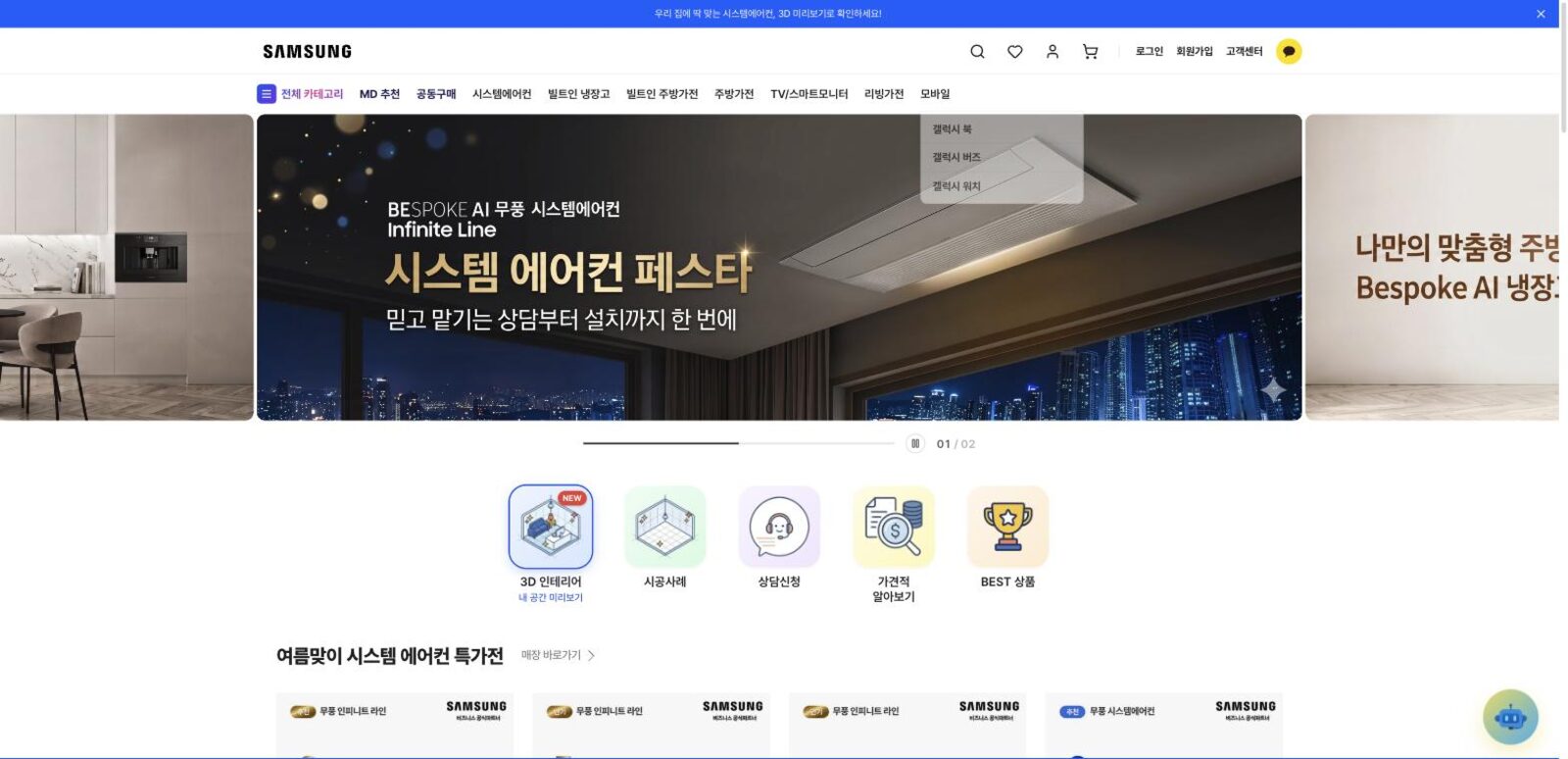
On it we put a chatbot with a narrow job: answer questions with detail that is genuinely useful, grounded in the real product data. Not the generic sales patter a plain model improvises, but the specific facts that actually help someone decide, pulled straight from the accurate catalog.
Getting that right is mostly about restraint. The bot only says what the data supports, points at the spec it is drawing from, and declines to guess when the catalog is silent. An assistant that confidently invents a dimension or a compatibility is worse than no assistant at all.
The part worth keeping is underneath. The chatbot runs on an architecture we designed to be tuned per domain. Product data behaves nothing like, say, a library collection or a set of legal documents, so retrieval, grounding, and the shape of an answer are fit to each domain's data instead of forcing one template on everything.
So the same core can move to a very different domain and still feel native to it. What changes is how it reads that data and how people ask about it, not a generic wrapper bolted on top.
And we keep advancing it: better grounding, tighter limits on what the model is allowed to claim, and each new domain teaching the architecture something the last one did not. The chatbot is the visible surface; the architecture is the thing we are really building.